5 Minute Mindfulness Meditation: Quick Stress Relief Guide
by 🧑🚀 Boopul on Mon Dec 15 2025

Introduction
It’s 3 PM. Your shoulders are creeping toward your ears, your jaw is clenched tight, and you’ve just read the same sentence four times without comprehending a single word. You’re not alone—70% of adults report feeling stressed daily, and most believe they don’t have time for relief. But what if peace was available in just five minutes? 5 minute mindfulness meditation offers busy people a practical way to reset, refocus, and recharge without adding another burden to an already packed schedule. The guided audio above offers gentle support, but everything you need is already within reach. In this article, you’ll discover a complete guide to transforming tiny pockets of time into powerful moments of calm.
What Is 5 Minute Mindfulness Meditation?
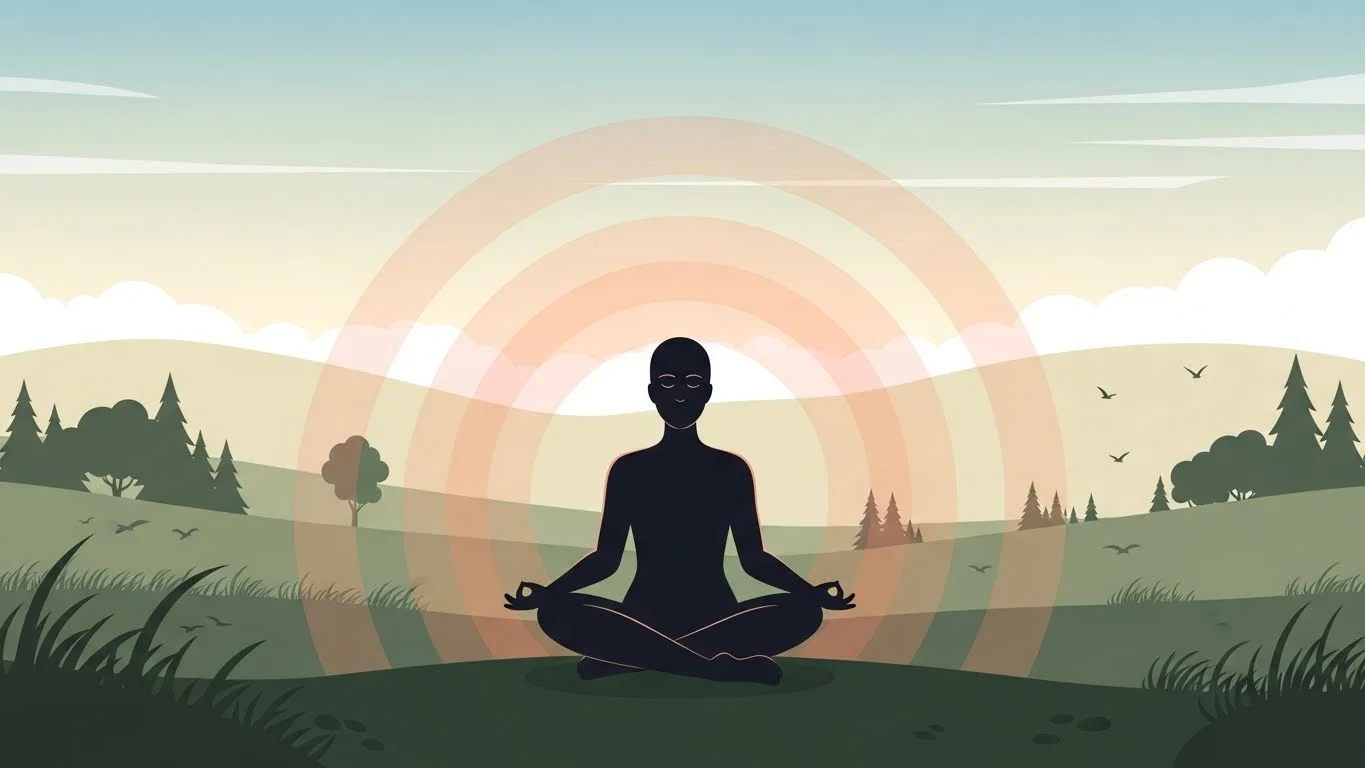
5 minute mindfulness meditation is a brief, focused practice that trains your brain to anchor in the present moment. Unlike common myths, you’re not trying to “empty your mind” or achieve a state of perfect zen. Instead, you’re building a simple habit of paying attention—on purpose, without judgment—to whatever is happening right now.
Think of it like a mental reset button. Just as you might reboot a sluggish computer, this practice clears the temporary cache of stress, worry, and mental clutter that builds up throughout your day. Research from Harvard Medical School has shown that even short bursts of mindfulness meditation can activate the brain’s relaxation response, reducing the production of stress hormones.
This approach works especially well for beginners because the short duration feels manageable. You’re not asking yourself to sit for an hour in silence—just five minutes. That’s roughly the time it takes to brew a cup of coffee or scroll through a few social media posts. The key is consistency, not duration. A 5 minute mindfulness meditation for beginners focuses on foundational skills: noticing your breath, observing bodily sensations, and gently guiding your attention back when it wanders.
Why 5 Minutes Is Enough
You might wonder: can five minutes actually make a difference? The science says yes. Studies in neuroscience have found that brief, regular meditation sessions create measurable changes in brain structure and function. A groundbreaking study from the University of Wisconsin-Madison revealed that just 8 weeks of short daily mindfulness practice increased gray matter density in areas associated with learning, memory, and emotional regulation.
Your brain is remarkably adaptable—a quality called neuroplasticity. Each time you practice, you’re strengthening neural pathways that support calm and focus while weakening those that fuel stress and reactivity. It’s like creating a shortcut through a dense forest: the more you walk the path, the clearer and easier it becomes.
The American Psychological Association has documented that even one week of brief meditation improves attention and reduces mind-wandering. Think of it this way: you don’t need to run a marathon to get fit. A five-minute walk done consistently delivers real health benefits. 5 minute mindfulness meditation works the same way—it’s the minimum effective dose for mental fitness.
Consider this: the average person checks their phone 96 times per day, spending about 3-5 minutes each time. What if you redirected just one of those phone checks toward your wellbeing? That small shift creates a compound effect over time, building resilience and clarity without demanding hours from your already-full day.
Key Benefits for Busy Adults
Instant Stress Reduction
When stress hits, your body releases cortisol and adrenaline, preparing you for fight-or-flight. A quick mindfulness practice interrupts this cascade. Research from Stanford University shows that brief meditation sessions reduce cortisol levels by up to 27%. The result? That tightness in your chest loosens, your breathing deepens, and your shoulders drop from your ears back to where they belong.
Imagine you’re rushing to meet a deadline. Your heart is racing, your mind is spinning through worst-case scenarios. Five minutes of focused breathing creates a physiological reset, signaling to your nervous system that you’re safe. This isn’t just “feeling calm”—it’s a measurable shift in your body’s stress chemistry.
Sharper Mental Focus
Your attention span is like a muscle that fatigues throughout the day. Studies from the University of Washington found that participants who practiced brief meditation showed improved attention and accuracy on tasks. After a 5 minute mindfulness exercise, you’ll likely notice that emails feel less overwhelming and complex decisions become clearer.
Picture this: You’ve been in back-to-back meetings and can’t concentrate on the report you need to write. Instead of forcing your way through the mental fog, you pause for a mindful minute. When you return, your thoughts are organized, your focus is renewed, and the words flow more easily. It’s like cleaning a smudged pair of glasses—you see everything more clearly.
Improved Emotional Balance
Mindfulness strengthens the connection between your thinking brain (prefrontal cortex) and emotional centers (amygdala). This creates what neuroscientists call “top-down regulation”—the ability to observe emotions without being hijacked by them. The American Psychological Association reports that regular practitioners experience 30% fewer emotional outbursts and reactive behaviors.
Think about the last time a colleague’s email triggered immediate frustration. With practice, that five-second gap between feeling and reacting grows wider. You gain the space to choose a thoughtful response instead of firing off a regrettable reply. That’s emotional intelligence in action.
Physical Relaxation
Stress doesn’t just live in your mind—it manifests physically. Tight shoulders, clenched jaw, shallow breathing. A mindfulness activity that focuses on body awareness releases this tension. Research shows that brief meditation can lower blood pressure by an average of 4-5 mmHg and reduce muscle tension within minutes.
Consider the typical 3 PM energy slump. Instead of reaching for another coffee, a body scan meditation releases physical tension you didn’t even realize you were holding. You emerge feeling refreshed, as if you’d just taken a brief nap—without the grogginess.

How to Practice: A Step-by-Step Guide
Learning how to do 5 minute meditation is simpler than you think. The beauty lies in its simplicity—no special equipment, no expensive apps, no complicated techniques.
Step 1: Get Comfortable
Find a spot where you can sit or lie down without interruption. This doesn’t require a fancy meditation cushion. Your office chair, car seat (when parked), or even a park bench works perfectly. The key is supporting your back so you’re not struggling to stay upright.
Imagine you’re settling into your favorite armchair after a long day. Let your body feel heavy, supported by the surface beneath you. If you’re at work, simply push your chair away from your desk. If you’re at home, the edge of your bed or a dining chair works perfectly.
Step 2: Set a Gentle Timer
Use your phone’s timer, but choose a soft chime—not a blaring alarm. Setting a timer removes the distraction of checking the clock. You’re creating a container for your practice, a clear boundary that says: “For these five minutes, I have nowhere else to be and nothing else to do.”
Think of it as making an appointment with yourself. You wouldn’t constantly check your watch during a meeting with your boss—give yourself the same respect. Many guided meditation resources offer built-in timers with soothing sounds.
Step 3: Close Your Eyes or Soften Your Gaze
Closing your eyes reduces external stimulation, making it easier to focus inward. If that feels uncomfortable or unsafe in your environment, simply soften your gaze on a fixed point about three feet in front of you. Your vision should blur slightly, like when you’re lost in thought.
This subtle shift signals to your brain that it’s time to turn your attention inward. It’s the equivalent of switching off the lights in a room—the outside world fades, and your inner experience becomes more vivid.
Step 4: Focus on Your Breath
Bring your attention to the sensation of breathing. Don’t change it—just notice it. Where do you feel it most? The cool air entering your nostrils? The rise and fall of your chest? The gentle expansion of your belly?
Imagine your breath as an anchor, always available, always steady. When your mind wanders (and it will), this anchor brings you back to the present moment. The average person breathes about 20,000 times per day—most of them unconsciously. For these five minutes, you’re simply making one automatic process conscious.
Step 5: Acknowledge Wandering Thoughts
Here’s the crucial part: when you notice your mind has drifted to your grocery list, that argument, or what to make for dinner—don’t judge yourself. This isn’t failure; it’s success. You’ve noticed, and noticing is the entire point.
Think of your thoughts like clouds passing across the sky. You don’t need to grab onto them or push them away. Simply acknowledge them: “Ah, there’s a thought about work.” Then let it drift on by. This non-judgmental awareness is the heart of mindfulness.
Step 6: Return to the Breath
Gently, kindly, return your attention to your breath. Each return is like a rep at the mental gym. You’re building the muscle of attention. Your mind will wander dozens of times in five minutes. That’s not just normal—it’s expected. Every return strengthens your mindfulness practice.
When your timer chimes, don’t jump up immediately. Take a moment to notice how you feel. Often, the shift is subtle but profound—like the quiet after a noisy room suddenly falls silent.
Common Challenges for Beginners
Not Enough Time
The “no time” trap is the biggest barrier, but it’s also the easiest to solve. You don’t need to find time—you need to take it. Link your mindful minute to something you already do: the first sip of morning coffee, waiting for your computer to boot up, or those final minutes in your car before walking into the office.
Try this: replace one social media scroll with your practice. You’re not adding time; you’re repurposing it. The average person spends 145 minutes daily on social media. Reclaiming just 5 minutes is less than 3% of that total.
Overactive Mind
“My mind is too busy to meditate” is like saying “I’m too dirty to take a shower.” A busy mind is exactly why you practice. The goal isn’t to stop thoughts—it’s to change your relationship with them.
Picture your mind as a puppy you’re training. It will run off, chase its tail, and get distracted by every squirrel. Your job isn’t to tie it down; it’s to lovingly guide it back, again and again. With patience, it learns to sit and stay.
External Distractions
You don’t need a silent monastery. In fact, practicing with minor distractions builds stronger skills. The key is accepting what you can’t control and working with what you can.
If you’re in a noisy environment, try earplugs or soft instrumental music. Use disruptions as part of your practice: when a phone rings, simply notice your reaction, return to your breath, and continue. This flexibility makes meditation techniques sustainable in real life.
Unrealistic Expectations
You won’t achieve enlightenment in five minutes, and that’s okay. The goal is progress, not perfection. Some days will feel calm and centered; others will feel like mental chaos. Both are valuable.
Track your practice, not your “progress.” Did you sit for five minutes? That’s success. Did you notice when your mind wandered? That’s success. The benefits accrue silently, like compound interest—you might not see daily gains, but over weeks and months, the transformation becomes undeniable.

7 Ways to Build a Daily Habit
1. Link to Existing Routines
Stack your new habit onto an established one. Meditate immediately after brushing your teeth, before your morning shower, or right after lunch. Habit stacking leverages existing neural pathways, making the new behavior stick faster.
If you’re building a daily meditation practice, consistency matters more than timing. Pick a trigger you can’t avoid—like turning off your morning alarm or starting your coffee maker—and let that be your cue.
2. Use Guided Audio
For the first few weeks, guidance removes the guesswork. Following a 5 minute mindfulness meditation script helps you understand pacing and structure. Once you’re comfortable, you can practice silently.
Many people find that guided meditation resources provide structure and variety that prevents boredom. The human voice also creates a sense of connection, making the practice feel less isolating.
3. Start Smaller If Needed
Five minutes feels overwhelming? Start with two. Or even one. The goal is to create a habit so small you can’t say no. Once you’re consistent, add another minute. Building gradually prevents overwhelm and creates lasting change.
Think of it like training for a marathon. You don’t start with 26 miles—you start with a walk around the block. Start smaller if needed removes the barrier of “all or nothing” thinking.
4. Block Time on Your Calendar
Treat your practice like any important appointment. Block it in your calendar with a reminder. If you wouldn’t skip a meeting with your doctor, don’t skip a meeting with yourself.
This act of scheduling sends a powerful message: your wellbeing matters. Even a daily recurring event titled “Mindful 5” creates accountability and makes the practice non-negotiable.
5. Track Your Progress
Put a simple checkmark on a calendar for each day you practice. Seeing a visual chain of success motivates you to continue. Jerry Seinfeld famously used this “don’t break the chain” method for writing jokes; it works equally well for meditation.
You can also journal one sentence about how you feel after each session. Over time, you’ll have concrete evidence of your practice’s impact, which reinforces your commitment.
6. Practice Self-Compassion
Missed a day? That’s normal. The goal is consistency over time, not perfection. Research from the University of Texas shows that self-compassion is more motivating than self-criticism. Instead of beating yourself up, simply begin again tomorrow.
Treat yourself with the kindness you’d offer a friend. You wouldn’t call them a failure for missing one workout. Extend the same grace to yourself.
7. Designate a Meditation Spot
Create a consistent physical cue. A specific chair, a corner of your bedroom, even a park bench. When you sit there, your brain knows it’s time to practice. This environmental trigger primes your mind for meditation.
Your spot doesn’t need to be elaborate. It just needs to be consistent. Over time, simply sitting in that space will trigger a relaxation response, making the practice easier to begin.
5 Variations for Any Schedule
Morning Intention Setting
Before the day sweeps you away, take five minutes to set a simple intention. Sit upright, breathe deeply, and ask: “What quality do I want to bring to today?” Perhaps it’s patience, clarity, or compassion. This isn’t goal-setting; it’s compass-setting for your day.
The 5 minute mindfulness meditation script is simple: three minutes of breath awareness, followed by two minutes of silently repeating your chosen intention. This practice frames your entire day with purpose.
Pre-Meeting Reset
Before walking into a high-stakes meeting, excuse yourself to the restroom or your car. Five minutes of focused breathing quiets nerves and sharpens focus. You’ll speak more clearly, listen more attentively, and respond more thoughtfully.
Try this: Inhale for 4 counts, hold for 4, exhale for 6. This pattern activates your parasympathetic nervous system, calming pre-presentation jitters faster than any pep talk.
Mindful Commuting
Stuck in traffic? Instead of fuming, use the time. Keep your eyes open and hands on the wheel, but bring your attention to your breath. Notice the sensation of your hands gripping the wheel, the weight of your body in the seat.
This transforms wasted commute time into valuable practice. You’re not adding anything to your schedule—you’re repurposing inevitable delays into moments of peace.
Evening Body Scan
Before bed, lie down and mentally scan your body from toes to head. Notice areas of tension without trying to change them. This practice, known as a 5 minute mindfulness body scan script, releases physical stress and quiets mental chatter.
Many people find this variation improves sleep quality significantly. It’s like a gentle mental massage, dissolving the day’s accumulated tension.
Desk-Based Breathing
At your desk, place both feet flat on the floor. Rest your hands on your thighs. Close your eyes or soften your gaze. For five minutes, simply count your exhales: one, two, three, up to ten, then start again.
This mindfulness activity is invisible to colleagues but powerful for your nervous system. It’s perfect for those moments when you feel overwhelmed but can’t leave your workspace.
Your Five-Minute Path to Peace
You’ve discovered that 5 minute mindfulness meditation isn’t just a quick fix—it’s a sustainable path to transforming your relationship with stress, focus, and daily life. The practice requires no special skills, no expensive equipment, and no massive time commitment. Just you, your breath, and five minutes of intentional presence.
Key takeaways:
- Five minutes is scientifically proven to reduce stress and improve focus
- The practice is about returning to the present moment, not perfect concentration
- Consistency creates real, measurable changes in brain structure and function
Starting today, you have everything you need. Choose one five-minute window in your daily routine and claim it as your own. Whether you use the guided meditation resources available or practice silently, the benefits begin with a single breath.
Your busy life will always demand your attention. But now, you have a tool to step back, reset, and respond with clarity instead of reacting with overwhelm. That five-minute investment pays dividends in every area of your life—from your relationships to your work to your relationship with yourself.
The quietest revolutions often create the most profound changes. This is yours.
Frequently Asked Questions
Is 5 minutes really enough to see benefits?
Yes. Research from Carnegie Mellon University demonstrates that 25 minutes of meditation over three days significantly reduces stress. Breaking that into five-minute chunks maintains effectiveness. The key is consistency, not duration. It's better to practice five minutes daily than 35 minutes once a week.
What position should I use during meditation?
Any position where your spine is relatively straight and you're not in pain. Sitting in a chair is perfect. Lying down works but increases the chance of falling asleep. Standing is fine for short sessions. The 'perfect' position is the one you'll actually use.
What if I fall asleep during the practice?
Falling asleep often signals you need more rest, not that you're doing it wrong. If it's a recurring issue, try meditating at a different time of day, sitting upright instead of lying down, or splashing cool water on your face beforehand. You're still building the habit.
Can I meditate with my eyes open?
Absolutely. Soft gaze meditation—focusing on a spot with a relaxed, unfocused gaze—is a valid technique. It's especially useful if you're practicing in public spaces or feel anxious with closed eyes. Mindful minute practices often keep eyes open for practical integration into daily life.
How soon will I notice results?
Some benefits, like immediate calm, are noticeable after the first session. Research-based benefits—like improved attention and reduced anxiety—typically appear after 2-4 weeks of consistent practice. Think of it like planting seeds: growth happens underground before it becomes visible.
Does the time of day matter?
The best time is when you'll actually do it. Some prefer morning to set a calm tone for the day. Others use lunchtime to reset. Evening practice can improve sleep. Experiment to find your optimal time. Your meditation guide is available whenever you need it—consistency matters more than clock time.
Tagged: 5 minute meditationmindfulness meditationquick stress reliefbeginner meditation guideguided mindfulnessmeditation for busy scheduleshort daily meditation5 minute mindfulness practicestress reduction techniqueseasy meditation for beginnersmindfulness breathing exercisequick mental resetmeditation for focusdaily mindfulness habit300 second meditation